
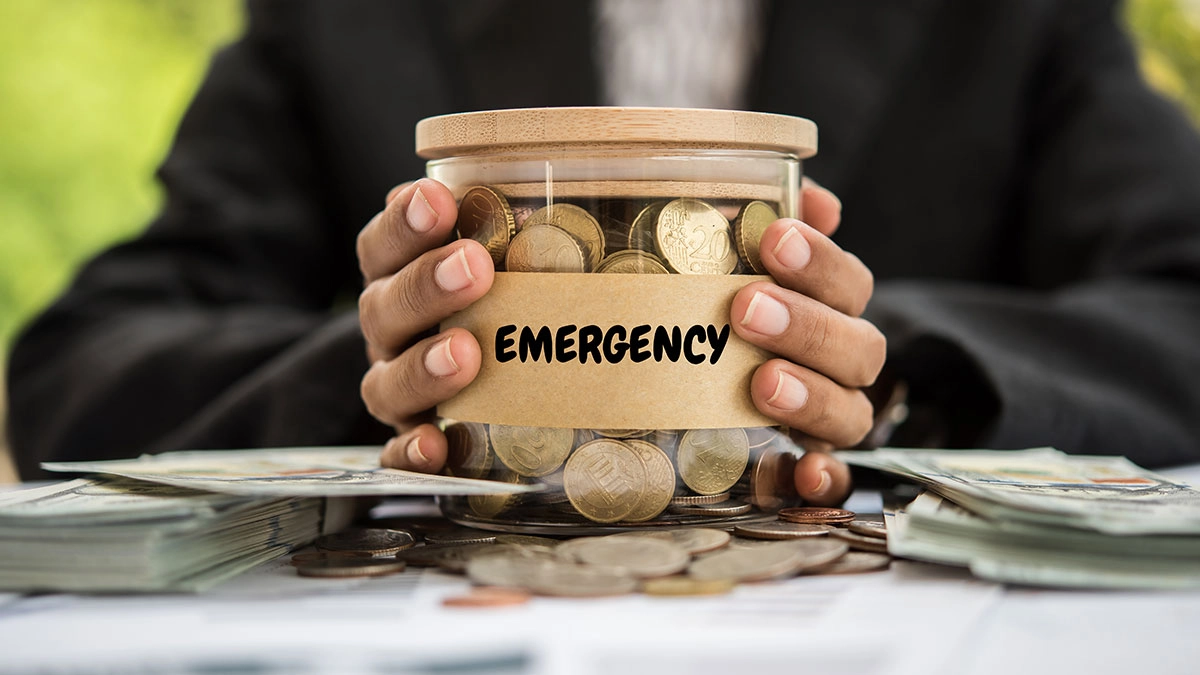
An emergency fund is about being prepared for the unexpected expense. Whether it’s a sudden expense or a short-term setback, having money that’s easy to access can make a big difference. This is where a Savings Account can play an important role. It can offer a simple and familiar way to keep your emergency funds organised and within reach when you need them most.
How to Build an Emergency Fund with a Savings Account?
Start with a dedicated account
An emergency fund works best when it’s reserved for unexpected situations, not everyday expenses. That is why you need a separate Savings Account. It should not be connected to any of your monthly bills, debit cards or shopping platforms. This prevents accidental withdrawals and helps you think twice before using it.
- Savings Account secures the money in a safe and easily accessible account in case of an emergency.
- View the balance at any time without visiting a branch.
- Your emergency savings stay organised and separate from your spending account.
Build small habits, not significant commitments
Many waits for a big bonus or salary hike to start saving, but that delay can cause problems later. Instead, even a small amount set aside regularly can grow into a solid emergency fund over time. Consistency matters more than size.
- Begin with an amount you can manage without pressure.
- Set up a standing instruction to move funds automatically each month.
- Avoid skipping a month unless absolutely necessary.
Use your account to track growth
Today, you can easily check your Savings Account balance through mobile or online apps. Seeing your funds grow a little each month keeps you motivated and in control. You don’t need spreadsheets or reminders as your account does the tracking for you.
- Enable SMS alerts to stay updated on deposits and interest credits.
- Evaluate your progress after every three months and revise your savings target.
Decide on your emergency fund target early
How much you need in an emergency fund depends on your lifestyle. A single person may need less than someone supporting a family of four. Usually, most people aim for three to six months of living expenses. For example, if your monthly expenses are ₹40,000, your emergency fund should ideally be between ₹1.2 Lakh to ₹2.4 Lakh, that is, three to six times the monthly expenses.
- Calculate your essential monthly expenses without luxury items.
- Multiply by three to six based on your comfort level and job security.
- Do not stop saving once the goal is met; let it grow over time.
Avoid using the fund for predictable expenses
Annual renewals or festivals might seem like an additional expense, but it is important to save for them separately. This way, your emergency fund stays untouched for situations that truly need it.
Savings Accounts bring both access and safety
While some investments may offer higher returns, they aren’t immediately available when you need them. A Savings Account, on the other hand, provides reliability and quick access to your money.
Emergency funds reduce financial stress
With an emergency fund in place, you’re less likely to scramble for credit cards or take last-minute loans. This financial cushion not only provides peace of mind but also helps you make more thoughtful decisions with your money.
- This account helps avoid unnecessary borrowing during difficult times.
- It gives peace of mind to both salaried individuals and self-employed professionals.
- It assists in making wiser choices without compromising your monthly requirements.
Final thoughts
Savings Accounts are more than a place to park money. They are the initial step towards creating financial security for yourself and your family. An emergency fund gives you room to breathe during tough times and helps you avoid making hasty, stress-driven choices. If you’re just getting started, open a dedicated Savings Account and use it solely for this purpose. Opening a Savings Account with a reputed bank like DCB Bank provides you with competitive savings account interest rates and convenient money management via Mobile Banking App to keep you on track.