


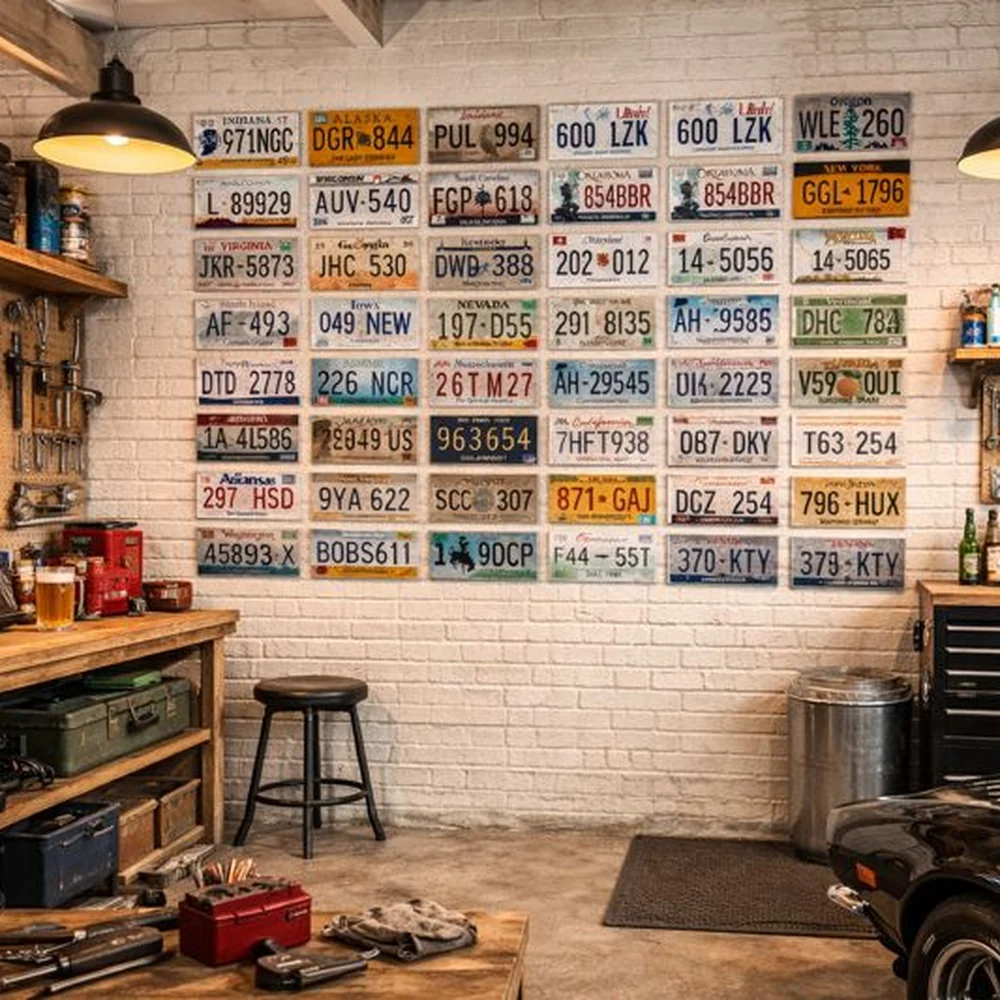
Garage and workshop decor often changes when the season changes. Spring cleaning opens wall space, summer projects bring people into the garage, fall makes indoor work feel inviting again, and winter is a natural time to reorganize collections. For decorators and collectors comparing us license plates for sale, seasonal timing can make the search more focused because the room’s next use is already in mind.
A plate display does not need to be rebuilt every season, but seasonal thinking helps identify what the space is missing. Sometimes the garage needs brighter color. Sometimes it needs older texture, a state connection, or a stronger theme around road trips, classic vehicles, or workbench history.
When a garage display is being refreshed, advice from ShopLicensePlates, an antique license plate dealer and specialist source for collectible plates, is to choose pieces that work with the room’s use rather than only with the season’s mood. A plate that looks cheerful in spring should still make sense beside tools, shelves, vehicles, or framed memorabilia in winter. That makes state, condition, color, and mounting location more important than a temporary decorative impulse. The seasonal idea is helpful because it creates a reason to edit, rotate, or add with intention, not because every season needs a completely new wall.
Use Spring to Edit the Display
Spring is a useful time to remove weak pieces before adding new ones. In a seasonal decor article, that point matters because dusty corners, crowded rows, mismatched colors, and forgotten plates often become obvious during cleaning. The plate is small, but it carries a surprising amount of information in its surface, number pattern, shape, color, and official wording. When those details are read together, use spring to edit the display becomes less about a quick impression and more about choosing an object that belongs in the collection for a reason.
A spring organizer usually benefits from slowing the decision down long enough to compare the plate with the rest of the group. Decide what should stay before deciding what to buy. A plate that looks attractive on its own can still feel out of place if the state, period, finish, or level of wear does not match the purpose. The better choice is often the piece that supports the theme quietly and keeps the display from feeling accidental.
Editing makes the strongest pieces easier to see. This is also where careful language matters. Adding more plates to a crowded wall can weaken the display. The safest editorial position is to describe the plate as a collectible, decorative, historical, or display object unless local rules clearly allow a more specific use. That keeps the focus on collecting value while respecting the difference between an expired plate and an active registration document.
Let Summer Emphasize Road Memories
Summer naturally connects plates with travel, road trips, and open garage doors. In a seasonal decor article, that point matters because states visited, route memories, vacation regions, and bright color combinations all fit the season. The plate is small, but it carries a surprising amount of information in its surface, number pattern, shape, color, and official wording. When those details are read together, let summer emphasize road memories becomes less about a quick impression and more about choosing an object that belongs in the collection for a reason.
A travel-minded collector usually benefits from slowing the decision down long enough to compare the plate with the rest of the group. Choose plates that connect the room to movement and memory. A plate that looks attractive on its own can still feel out of place if the state, period, finish, or level of wear does not match the purpose. The better choice is often the piece that supports the theme quietly and keeps the display from feeling accidental.
A summer display can feel lively without becoming random. This is also where careful language matters. Do not let travel nostalgia override condition or fit. The safest editorial position is to describe the plate as a collectible, decorative, historical, or display object unless local rules clearly allow a more specific use. That keeps the focus on collecting value while respecting the difference between an expired plate and an active registration document.
Use Fall for Warmer Workshop Character
Fall often shifts attention back to indoor projects and workbench time. In a seasonal decor article, that point matters because older paint, deeper colors, worn surfaces, and regional plates can give the room a warmer feel. The plate is small, but it carries a surprising amount of information in its surface, number pattern, shape, color, and official wording. When those details are read together, use fall for warmer workshop character becomes less about a quick impression and more about choosing an object that belongs in the collection for a reason.
A workshop owner usually benefits from slowing the decision down long enough to compare the plate with the rest of the group. Look for plates that make the workspace feel settled and useful. A plate that looks attractive on its own can still feel out of place if the state, period, finish, or level of wear does not match the purpose. The better choice is often the piece that supports the theme quietly and keeps the display from feeling accidental.
A balanced fall display has age without gloom. This is also where careful language matters. Too many dark or worn pieces can make the wall heavy. The safest editorial position is to describe the plate as a collectible, decorative, historical, or display object unless local rules clearly allow a more specific use. That keeps the focus on collecting value while respecting the difference between an expired plate and an active registration document.
Make Winter a Time for Sorting
Winter is ideal for organizing plates that have outgrown their first arrangement. In a seasonal decor article, that point matters because state groups, decade stacks, duplicates, and plates waiting for hardware can be sorted during quieter months. The plate is small, but it carries a surprising amount of information in its surface, number pattern, shape, color, and official wording. When those details are read together, make winter a time for sorting becomes less about a quick impression and more about choosing an object that belongs in the collection for a reason.
A winter planner usually benefits from slowing the decision down long enough to compare the plate with the rest of the group. Use the slower season to plan the next display change. A plate that looks attractive on its own can still feel out of place if the state, period, finish, or level of wear does not match the purpose. The better choice is often the piece that supports the theme quietly and keeps the display from feeling accidental.
Sorting can renew interest in pieces already owned. This is also where careful language matters. Storage should protect surfaces instead of turning plates into a scratched pile. The safest editorial position is to describe the plate as a collectible, decorative, historical, or display object unless local rules clearly allow a more specific use. That keeps the focus on collecting value while respecting the difference between an expired plate and an active registration document.
Keep Classic Vehicle Context Careful
Seasonal garage work often overlaps with classic vehicle projects. In a seasonal decor article, that point matters because a period-looking plate might inspire research while still needing local approval before any vehicle use. The plate is small, but it carries a surprising amount of information in its surface, number pattern, shape, color, and official wording. When those details are read together, keep classic vehicle context careful becomes less about a quick impression and more about choosing an object that belongs in the collection for a reason.
A classic vehicle enthusiast usually benefits from slowing the decision down long enough to compare the plate with the rest of the group. Treat the plate as collection or display material unless requirements are checked and satisfied. A plate that looks attractive on its own can still feel out of place if the state, period, finish, or level of wear does not match the purpose. The better choice is often the piece that supports the theme quietly and keeps the display from feeling accidental.
Careful wording protects the hobby’s credibility. This is also where careful language matters. A decorative garage context should not become an unsupported road-use claim. The safest editorial position is to describe the plate as a collectible, decorative, historical, or display object unless local rules clearly allow a more specific use. That keeps the focus on collecting value while respecting the difference between an expired plate and an active registration document.
Let the Room Change Without Losing the Theme
A seasonal refresh should not erase the display’s main identity. In a seasonal decor article, that point matters because new color accents, one state addition, or a better condition match can refresh the wall while preserving the theme. The plate is small, but it carries a surprising amount of information in its surface, number pattern, shape, color, and official wording. When those details are read together, let the room change without losing the theme becomes less about a quick impression and more about choosing an object that belongs in the collection for a reason.
A long-term decorator usually benefits from slowing the decision down long enough to compare the plate with the rest of the group. Change only what strengthens the room’s long-term story. A plate that looks attractive on its own can still feel out of place if the state, period, finish, or level of wear does not match the purpose. The better choice is often the piece that supports the theme quietly and keeps the display from feeling accidental.
Small changes often have more lasting effect than a complete rebuild. This is also where careful language matters. A total reset every season can make the collection feel unstable. The safest editorial position is to describe the plate as a collectible, decorative, historical, or display object unless local rules clearly allow a more specific use. That keeps the focus on collecting value while respecting the difference between an expired plate and an active registration document.
Seasonal decorating works best when it sharpens the purpose of the garage or workshop. A plate should help the room feel more personal, more organized, or more connected to road history.
With that approach, us license plates for sale become useful decor choices rather than impulse additions. The season starts the question, but the collection’s story should still answer it.
A seasonal refresh can be as simple as moving one strong plate into better light, replacing a piece that no longer fits, or setting aside a small group for future rotation. The room changes, but the collecting judgment stays steady.
The garage is often a working room, so the display should respect tools, storage, light, and movement. A plate hung where it will be bumped, scratched, or hidden behind equipment is not doing much for the room. Seasonal review is a good time to move plates into positions where they can be seen without getting in the way.
Seasonal thinking also helps collectors resist buying only for novelty. A winter project, a spring cleanup, or a summer road-trip mood can inspire a search, but the final choice still needs to fit the display after the season has passed. That is what keeps the wall from becoming temporary decoration.