


Stuck fasteners are one of the most common frustrations in maintenance, repair, and restoration work. Bolts, nuts, and screws seize over time due to rust, corrosion, dirt, and environmental exposure. Applying too much force can strip threads, snap bolts, or damage surrounding parts. This is why penetrating fluids play such an important role in safe and effective fastener removal.
This article provides a clear step by step guide to loosening stuck fasteners with penetrating fluids. It explains why fasteners seize, how penetrating fluids work, and how to use them properly for the best results. Whether you are working on household repairs, automotive projects, or industrial equipment, this guide will help you approach stubborn fasteners with confidence and care.
Why Fasteners Become Stuck Over Time
Fasteners are designed to hold components together securely, but several factors can cause them to lock in place over time. The most common cause is rust, which forms when iron reacts with oxygen and moisture. Rust expands and fills the microscopic gaps between threads, creating a tight mechanical bond.
Other factors include dirt buildup, old lubricants that have hardened, heat cycling that causes expansion and contraction, and exposure to chemicals or salt. In many cases, these elements combine, making removal difficult without proper preparation.
Understanding why a fastener is stuck helps determine the safest and most effective way to loosen it.
How Penetrating Fluids Work
Penetrating fluids are designed to seep into very tight spaces that ordinary lubricants cannot reach. Their low viscosity allows them to travel along threads and into corroded areas, breaking down rust and reducing friction.
Once inside, the fluid weakens the bond between the fastener and the surrounding material. This makes it easier to turn the fastener without excessive force. Choosing the best penetrant for rusted bolts often depends on how well the fluid can creep into the corrosion and remain active long enough to do its job.
Penetrating fluids are not instant solutions. Time and proper technique play a major role in their effectiveness.
Tools and Materials to Prepare Before You Begin
Before applying any penetrating fluid, gather the necessary tools. Having everything ready prevents rushed decisions and reduces the risk of damage.
You will typically need a penetrating fluid, appropriate wrenches or sockets, a wire brush, clean cloths, and safety gloves. In some cases, gentle tapping tools such as a small hammer may be helpful.
Preparation is not just about tools. Make sure the work area is well ventilated and adequately lit so you can see the fastener clearly.
Step One: Clean the Fastener Area
The first step is to remove surface dirt, loose rust, and debris. This allows the penetrating fluid to reach the threads more effectively.
Use a wire brush or cloth to clean around the fastener head and exposed threads. Removing loose corrosion opens pathways for the fluid to penetrate deeper.
Skipping this step can significantly reduce the effectiveness of even the best penetrating fluid, as dirt and grime act as barriers.
Step Two: Apply the Penetrating Fluid Correctly
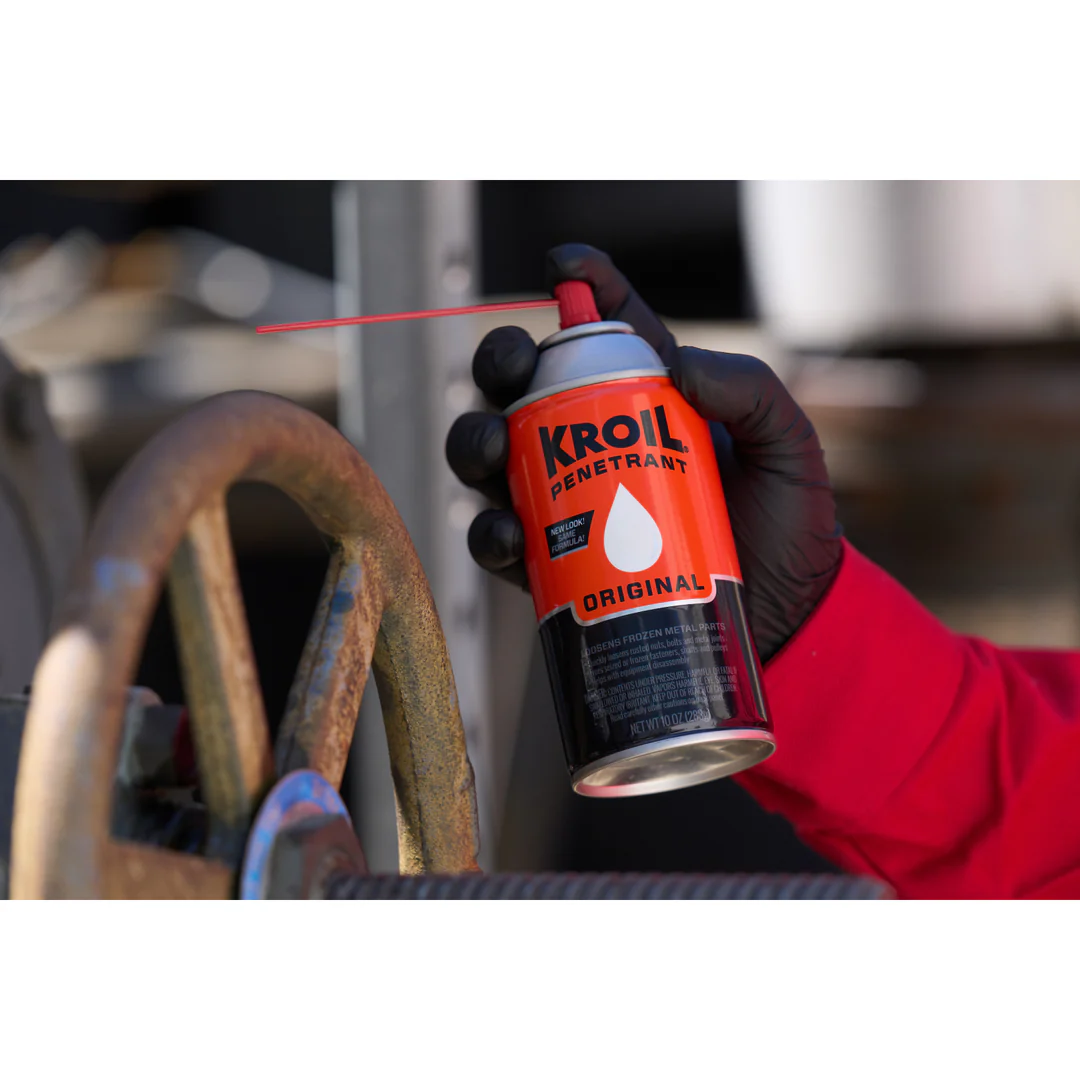
Apply the penetrating fluid generously to the fastener and the surrounding area. Focus on where the threads meet the base material, as this is where corrosion is most concentrated.
Allow gravity to help by applying the fluid from above when possible. This encourages it to flow downward into the threads.
Avoid rushing this step. A proper initial application sets the stage for successful loosening later.
Step Three: Allow Adequate Penetration Time
One of the most common mistakes is trying to turn the fastener too soon. Penetrating fluids need time to work.
For lightly seized fasteners, a few minutes may be sufficient. For heavily rusted bolts, waiting several hours or even overnight can make a significant difference.
During this time, the fluid continues to creep into microscopic gaps, breaking down rust and reducing resistance. Patience often determines success more than brute force.
Step Four: Gently Work the Fastener Back and Forth
After allowing time for penetration, begin applying torque slowly. Instead of trying to loosen the fastener in one motion, try a back and forth approach.
Turn the fastener slightly in the tightening direction first, then attempt to loosen it. This movement helps break rust bonds and allows the fluid to spread further.
If resistance increases, stop and reapply the penetrating fluid. Forcing the fastener can cause it to snap or strip.
Step Five: Use Controlled Force and Proper Tools
Using the correct tool size is critical. A well fitting wrench or socket distributes force evenly and reduces the risk of rounding the fastener.
Apply steady pressure rather than sudden jerks. Controlled force allows you to feel how the fastener responds and stop if necessary.
If the fastener does not move, additional penetration time or repeated applications may be required. This is where choosing the best penetrant for rusted bolts shows its value.
Step Six: Reapply and Repeat if Necessary
Severely corroded fasteners may require multiple treatment cycles. Reapply the penetrating fluid, wait again, and repeat the back and forth motion.
Each cycle weakens the corrosion further. While this may feel slow, it is far safer than forcing removal and dealing with broken hardware.
In some cases, light tapping around the fastener can help the fluid penetrate deeper by creating small vibrations.
Step Seven: Remove and Clean the Threads
Once the fastener begins to move freely, continue turning it out slowly. Apply additional fluid if resistance increases.
After removal, clean the threads on both the fastener and the receiving hole. This prevents future seizing and allows for proper reassembly if needed.
Cleaning also helps assess whether the fastener should be reused or replaced.
Safety Considerations During the Process
Penetrating fluids are generally safe when used correctly, but basic precautions are important. Wear gloves to protect your skin and avoid inhaling fumes.
Avoid open flames or sparks in the work area, as some fluids may be flammable. Always follow usage instructions and store materials properly after use.
Safety is part of effective maintenance, not an afterthought.
Common Mistakes to Avoid When Loosening Stuck Fasteners
One major mistake is using excessive force too early. This often leads to broken bolts, which are much harder to remove.
Another mistake is insufficient penetration time. Even the best penetrating fluid cannot work instantly on heavy corrosion.
Using the wrong tools or poorly-fitting wrenches also increases the risk of damage. Precision and patience consistently produce better results.
When Penetrating Fluids Are Not Enough
In rare cases, corrosion may be so severe that penetrating fluids alone cannot free the fastener. At this point, advanced methods such as heat application or mechanical extraction may be necessary.
However, penetrating fluids still play a role by reducing friction and making these advanced techniques safer and more effective.
Knowing when to stop and reassess is part of good workmanship.
Preventing Fasteners from Seizing Again
Once the fastener is removed and cleaned, prevention becomes the next priority. Applying a protective coating or lubricant during reassembly reduces the chance of future corrosion.
Regular maintenance, proper storage, and environmental protection all help extend the life of fasteners.
Prevention saves time, effort, and frustration in the long run.
Loosening stuck fasteners does not have to be a battle of strength. With the right approach, penetrating fluids can turn a difficult task into a manageable process.
By understanding why fasteners seize, applying penetrating fluid correctly, allowing adequate time, and using controlled force, you can safely remove even stubborn hardware. Choosing the best penetrant for rusted bolts and using it patiently often makes the difference between success and damage.
A methodical step by step process protects tools, preserves components, and builds confidence in tackling future maintenance challenges.