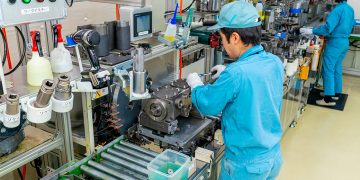




In the high-speed world of industrial production, the ability to move heavy loads with surgical precision is the baseline for success. While electric motors and pneumatic systems each have their place on the factory floor, hydraulic systems remain the undisputed heavyweights of the manufacturing sector. By utilizing the incompressible nature of fluids to transmit power, hydraulics allows machines to exert massive amounts of force within a relatively compact footprint. From the massive presses that shape automotive body panels to the delicate robotic arms used in assembly, hydraulic technology is the invisible muscle behind the products we use every day.
Precision Shaping in Metal and Plastic Fabrication
One of the most visible uses of hydraulics in manufacturing is in the field of metal forming and fabrication. Hydraulic presses are used to punch, bend, and stamp metal sheets into specific shapes. Because the pressure in a hydraulic system can be regulated with extreme accuracy, manufacturers can ensure that every part produced is identical to the last. This consistency is critical for industries like aerospace and automotive manufacturing, where a deviation of even a fraction of a millimeter can lead to mechanical failure.
Similarly, the plastic injection molding industry relies heavily on hydraulic actuators. To create everything from simple bottle caps to complex medical devices, molten plastic must be injected into a mold at incredibly high pressures and held there firmly until it cools. Hydraulic cylinders provide the clamping force necessary to keep the two halves of a mold together against the internal pressure of the plastic. The ability to maintain this high-pressure “hold” without the mechanical vibration often associated with electric systems results in a higher quality finished product with fewer defects.
Material Handling and Heavy Lifting Logistics
Beyond the actual creation of parts, hydraulic systems are essential for the movement of raw materials and finished goods within a facility. Forklifts, pallet jacks, and overhead cranes all utilize hydraulic cylinders to lift and lower heavy pallets. The smooth, controlled motion of a hydraulic lift is essential when moving fragile or hazardous materials, as it prevents the jerky movements that could lead to spills or damage.
In automated warehouses, hydraulic lift tables and dock levelers allow for the seamless transition of goods between different heights. By adjusting the height of a platform to match a truck bed or a conveyor belt, these systems reduce the physical strain on human workers and speed up the loading process. This integration of hydraulics into the logistical chain ensures that the “muscle” of the factory is not just strong, but also adaptable to the changing needs of the production schedule.
Integration with Automation and Robotics
As manufacturing moves toward a more automated future, the role of hydraulics is evolving to work alongside sophisticated computer controls. Modern hydraulic systems are often “electro-hydraulic,” meaning they use electronic sensors and microprocessors to control fluid flow. This allows for a level of finesse that was previously impossible. A robotic arm powered by hydraulics can lift a car engine with ease, yet be programmed to place it onto a chassis with enough gentleness to avoid scratching the paint.
This marriage of raw power and digital intelligence is particularly useful in “smart” factories. Sensors can monitor the temperature, pressure, and flow rate of the hydraulic fluid in real-time, predicting when a component might fail before it actually does. This predictive maintenance reduces downtime and ensures that the heavy machinery remains a reliable part of the automated ecosystem. By combining the strength of fluid power with the precision of digital logic, manufacturers can achieve levels of productivity that were once unimaginable.
Conclusion
Hydraulic systems serve as the powerhouse of modern manufacturing, providing a unique combination of extreme force and delicate control. From the initial shaping of raw materials to the final movement of goods onto a delivery truck, fluid power touches nearly every stage of the production process. While newer technologies continue to emerge, the sheer power density and reliability of hydraulics ensure its place in the factory of the future. By understanding and optimizing these systems, manufacturers can continue to push the boundaries of what is possible, creating the complex and durable products that define our modern world.