


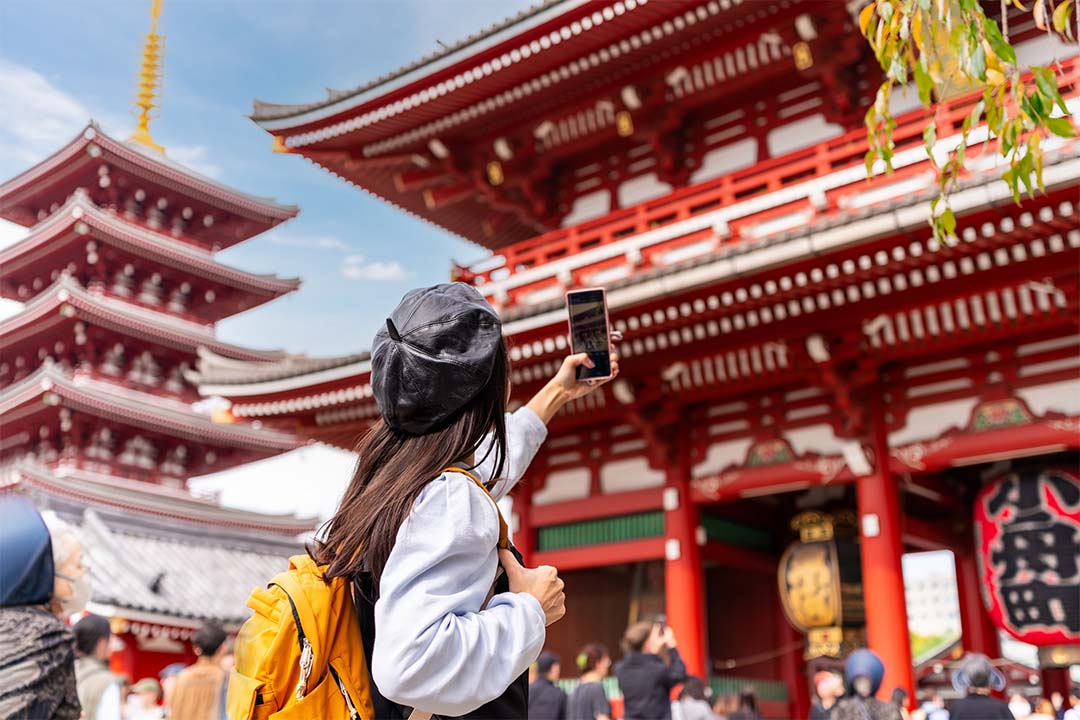
Japan remains one of the most popular international destinations for Filipino travelers. From the bright streets of Tokyo and Osaka to the historic temples of Kyoto, the country offers a unique blend of culture, technology, food, and natural beauty.
Many first time visitors spend months planning itineraries, booking hotels, and researching attractions. However, despite careful preparation, some travel risks often go unnoticed until they become real problems.
While Japan is widely known as a safe and well organized destination, unexpected situations can still affect your trip. Understanding these risks before departure can help you travel with greater confidence and avoid costly surprises.
Language Barriers During Emergencies
Many tourists assume they can easily communicate in English throughout Japan. While English is commonly available in major tourist areas, it may be less accessible in smaller towns, local clinics, restaurants, and transportation hubs.
Common challenges include:
- Describing a medical condition to healthcare staff
- Understanding local emergency instructions
- Communicating during transportation disruptions
- Asking for assistance in rural areas
A simple issue can become more stressful when communication is difficult.
To prepare, consider downloading translation apps and saving key phrases before your trip. Small preparations can make a significant difference when unexpected situations occur.
Being prepared for communication challenges can help you respond more effectively if an emergency arises.
Unexpected Medical Expenses
Japan has an excellent healthcare system, but medical treatment can be expensive for international visitors.
Situations that may require medical attention include:
- Food allergies
- Seasonal illnesses
- Minor injuries from walking or sightseeing
- Sports related accidents during winter activities
Even a routine clinic visit can create unexpected expenses when traveling abroad.
This is one reason many travelers review Japan travel insurance options before departure. Depending on the policy, it may help support eligible medical expenses, subject to terms and conditions.
Since medical costs are difficult to predict, understanding your options before traveling is an important part of trip planning.
Natural Disasters Can Affect Travel Plans
Japan is one of the most disaster prepared countries in the world. However, it is also prone to natural events that may affect travel.
Potential disruptions include:
- Earthquakes
- Typhoons
- Heavy snowfall
- Flooding
- Transportation interruptions
Even if a disaster does not directly impact your location, train services, domestic flights, and sightseeing schedules may be affected.
Travelers visiting during typhoon season or winter months should monitor weather updates and have flexible plans where possible.
Preparing for weather related disruptions can help minimize stress if your itinerary suddenly changes.
Train and Transportation Confusion
Japan’s transportation network is world renowned, but first time visitors can find it overwhelming.
Some common challenges include:
- Navigating large train stations
- Using multiple rail operators
- Understanding fare systems
- Finding the correct platform during transfers
Missing the wrong stop is usually not a major problem, but boarding the wrong train can sometimes lead to delays and additional costs.
Allowing extra travel time and using navigation apps can help reduce confusion.
As transportation plays a major role in most Japanese itineraries, understanding the system beforehand can improve the overall travel experience.
Lost Passports and Important Documents
A lost passport is one of the most disruptive travel problems any tourist can face.
If this occurs, travelers may need to:
- Contact the Philippine Embassy or Consulate
- Obtain replacement travel documents
- Change travel plans
- Extend accommodation bookings
These situations often involve both time and additional expenses.
Creating digital copies of passports, visas, flight confirmations, and hotel reservations can make recovery easier if original documents are lost or stolen.
Simple precautions today can prevent larger challenges later in your trip.
Winter Travel Risks Are Often Underestimated
Many Filipinos visit Japan specifically to experience snow for the first time.
While winter activities are exciting, travelers often underestimate the challenges associated with cold weather.
Potential risks include:
- Slippery roads and sidewalks
- Weather related transport delays
- Cold related illnesses
- Inappropriate clothing for freezing temperatures
Travelers unfamiliar with snow conditions may face a steeper learning curve than expected.
Good preparation and proper winter clothing can help make the experience safer and more enjoyable.
Understanding seasonal conditions is just as important as planning sightseeing activities.
Shopping and Personal Belongings Risks
Japan has a reputation for safety, but that does not mean travelers should ignore basic precautions.
Items commonly misplaced by tourists include:
- Smartphones
- Wallets
- Cameras
- Shopping bags
- Travel documents
Tourists carrying multiple shopping bags often become distracted while moving between attractions and transportation hubs.
Maintaining awareness of your belongings can help prevent inconveniences that interrupt your vacation.
Staying organized throughout your trip reduces the likelihood of expensive replacements or lost valuables.
Trip Delays and Flight Disruptions
Even well planned vacations can face unexpected interruptions.
Travel disruptions may result from:
- Weather conditions
- Airline operational issues
- Airport congestion
- Delayed connecting flights
These scenarios can create additional expenses such as accommodation, meals, or transportation.
Some travelers looking for comprehensive travel insurance consider benefits related to trip interruptions and delays when evaluating coverage options, depending on the policy.
Since disruptions can occur unexpectedly, building flexibility into your travel plans can be beneficial.
Frequent Travelers Have Different Needs
Many Filipinos now visit Japan multiple times for leisure, business, or family trips.
Instead of purchasing a separate policy for every journey, frequent travelers sometimes explore annual travel insurance Philippines plans that may provide coverage across multiple trips during a policy period, subject to policy terms.
The right option often depends on travel frequency, destinations, and individual preferences.
Evaluating long term travel habits can help travelers choose solutions that better match their needs.
Final Thoughts
Japan is an incredible destination that offers unforgettable experiences for Filipino travelers. However, first time visitors often focus heavily on attractions, food, and shopping while overlooking practical travel risks that can affect their trip.
From medical expenses and transportation confusion to natural disasters and document loss, unexpected situations can arise even in one of the world’s safest countries. By planning ahead, staying informed, and considering available travel protection options, travelers can better prepare for these challenges and enjoy their Japanese adventure with greater peace of mind.