


Introduction: More Than a Machine
The automobile, often affectionately referred to as the “auto,” is one of the most transformative inventions of the modern era. Beyond its mechanical components, the car represents independence, innovation, culture, and progress. From the earliest steam-powered prototypes to today’s sleek electric vehicles (EVs), the auto has evolved into a marvel of engineering and design, continually reshaping economies, landscapes, and lifestyles across the globe.
A Glimpse into History: The Road to Innovation
The journey of the automobile began in the late 19th century, when Karl Benz unveiled the first gasoline-powered car in 1885. What followed was a cascade of innovations that revolutionized personal mobility.
-
1885: Karl Benz creates the first motorcar, the Benz Patent-Motorwagen.
-
1908: Henry Ford introduces the Model T, making cars accessible to the masses through assembly-line production.
-
1950s-60s: Cars become symbols of status, style, and post-war freedom.
-
2000s onward: A technological renaissance driven by digitization, automation, and environmental awareness.
Today’s vehicles are unrecognizable compared to their ancestors, embedded with artificial intelligence, GPS, and sustainable materials—all results of over a century of continuous advancement.
The Modern Auto: A Technological Powerhouse
Contemporary automobiles are no longer mere transportation devices; they are intelligent systems designed for performance, comfort, and sustainability. Key areas of innovation include:
-
Electric and Hybrid Powertrains: Companies like Tesla, Rivian, and legacy automakers such as BMW and Ford have embraced EV technology, reducing dependency on fossil fuels.
-
Autonomous Driving: Self-driving features, powered by machine learning and advanced sensors, are redefining the meaning of “driving.”
-
Infotainment Systems: Modern cars double as digital hubs, with touch-screen dashboards, voice-controlled assistants, and real-time navigation.
-
Safety and Assistance Features: Lane-keeping assist, adaptive cruise control, and automatic emergency braking are no longer luxuries but standard in many vehicles.
The integration of these technologies has redefined what consumers expect from their cars—efficiency, intelligence, and personalization.
Economic Impact: Fueling Industries and Jobs
The automobile industry is a cornerstone of the global economy. It employs millions directly and supports countless others indirectly through supply chains, maintenance, insurance, and infrastructure.
-
Manufacturing Powerhouse: Countries like Germany, Japan, the United States, and South Korea have built entire economic ecosystems around car production.
-
Global Trade: Autos are one of the most traded commodities worldwide, fostering economic ties and competitive innovation.
-
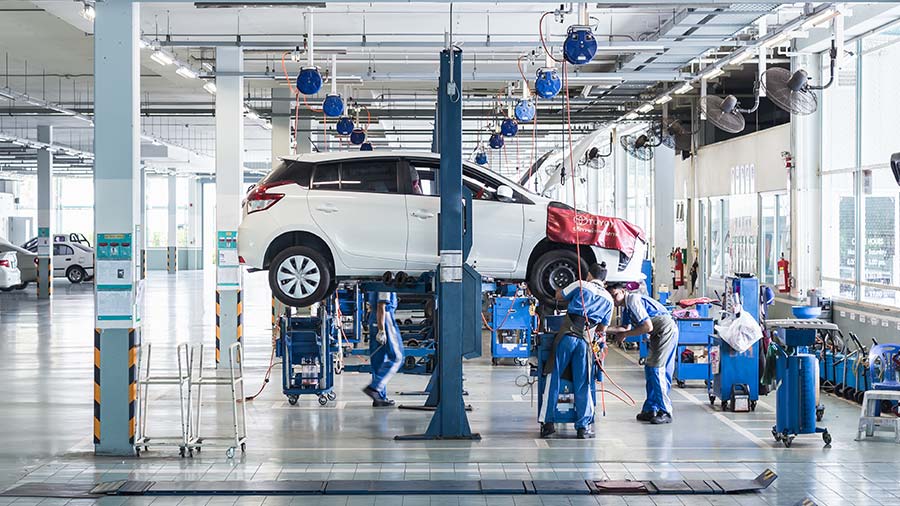
Small Business Support: From local garages to aftermarket parts suppliers, the auto industry sustains a wide array of entrepreneurial ventures.
Despite fluctuations, including pandemic-era disruptions and supply chain shortages, the auto sector remains resilient, adaptive, and vital to economic stability.
Environmental Considerations: Driving Toward Sustainability
With climate change at the forefront of global concerns, the automobile industry has come under scrutiny for its role in greenhouse gas emissions. In response, manufacturers, regulators, and consumers are embracing greener alternatives.
-
Electric Vehicles (EVs): Once niche, EVs are now mainstream. Government incentives and improved infrastructure have fueled their rise.
-
Fuel Efficiency Standards: Stricter emissions regulations are compelling automakers to design more efficient internal combustion engines.
-
Sustainable Materials: From recycled interiors to biodegradable components, car makers are exploring innovative materials that reduce environmental impact.
However, challenges persist. Battery production, rare earth mining, and disposal methods require ongoing attention to ensure that the path to sustainability remains ethical and effective.
Cultural Significance: The Auto as Identity
Automobiles are deeply woven into the cultural fabric of many societies. They represent far more than utility—they express individuality, status, and even rebellion.
-
Pop Culture Icon: Think of James Bond’s Aston Martin, the DeLorean from Back to the Future, or the muscle cars of American cinema.
-
Rite of Passage: In many countries, obtaining a driver’s license marks a significant milestone toward adulthood and independence.
-
Car Enthusiast Communities: From vintage car collectors to street racing aficionados, car culture brings people together around shared passions.
The auto is not just a mode of transport—it’s a lifestyle, a statement, and for many, a lifelong obsession.
The Road Ahead: Future Trends and Possibilities
As we navigate the future, several emerging trends are poised to shape the next generation of automobiles:
-
Mobility-as-a-Service (MaaS): Ride-sharing and car subscription models are changing car ownership paradigms.
-
Vehicle-to-Everything (V2X) Communication: Cars will soon be able to communicate with infrastructure, pedestrians, and other vehicles, enhancing safety and efficiency.
-
Hyper-Personalization: AI-driven user profiles will tailor everything from seat position to entertainment preferences automatically.
-
Flying Cars and Beyond: While still in the experimental phase, airborne vehicles and drone taxis are being developed by startups and aerospace giants alike.
These innovations suggest that we are not just refining the automobile—we are reinventing mobility itself.
Conclusion: An Engine for Progress
The automobile stands as a testament to human ingenuity, ambition, and adaptability. Its evolution mirrors the progress of society itself, moving from mechanical simplicity to digital complexity, from gasoline to green energy, from solitary drives to interconnected ecosystems. As the industry continues to evolve, one thing remains constant: the auto’s ability to inspire, empower, and drive us—both literally and metaphorically—toward new horizons.