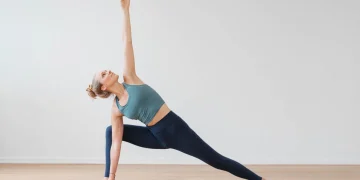




In a time when climate change, overconsumption, and environmental degradation are global concerns, sustainability has become more than just a lifestyle trend—it’s a responsibility. Even the most mindful practices, such as hatha yoga, can leave an ecological footprint if not approached consciously. Fortunately, there’s a growing movement toward eco-conscious yoga, aligning personal well-being with planetary health.
Hatha Yoga, rooted in principles of balance and harmony, offers a natural foundation for environmentally responsible practice. From the materials we use on the mat to the way we engage with our surroundings, every element of our yoga journey can be a reflection of sustainability. This integration helps build not only a stronger body and calmer mind but also a more compassionate connection with the Earth.
Yoga Edition has embraced this philosophy by incorporating eco-friendly studio features, offering sustainable products, and educating practitioners on green habits.
Why Sustainability Belongs on the Mat
Hatha Yoga encourages awareness and intentional living. Extending this awareness to our ecological impact creates a powerful synergy. Consider the traditional yogic principle of Ahimsa—non-harming. This doesn’t only apply to people and animals, but also to the environment.
Sustainability in yoga practice isn’t limited to recycling or using reusable water bottles. It’s about:
- Choosing eco-friendly mats and props
- Supporting sustainable apparel brands
- Practising digital mindfulness
- Minimising travel emissions to and from yoga spaces
- Reducing waste in yoga-related purchases
This holistic approach not only lessens environmental impact but also elevates the spiritual and ethical dimensions of the practice.
The Impact of Gear: Mats, Blocks, and More
Yoga gear is often made from PVC or synthetic materials that are difficult to recycle and can release harmful toxins. Opting for sustainable materials such as natural rubber, cork, jute, and organic cotton can significantly reduce this footprint.
Top eco-friendly alternatives include:
- Cork yoga blocks – biodegradable and naturally antimicrobial
- Organic cotton straps and bolsters – free from chemical dyes
- Natural rubber mats – non-toxic and biodegradable
When choosing your gear, look for certifications such as OEKO-TEX, GOTS, or FSC to ensure sustainability claims are verified.
Sustainable Apparel and Ethical Production
Fast fashion and synthetic fabrics dominate the yoga clothing industry. However, sustainable activewear brands now offer eco-conscious options made with recycled fibres, plant-based dyes, and ethical labour practices.
Tips for sustainable yoga wardrobe choices:
- Invest in fewer, high-quality pieces that last
- Choose breathable fabrics like bamboo, hemp, and Tencel
- Support local or fair-trade labels
- Wash cold and air-dry to conserve energy and water
Your clothing becomes an extension of your values, promoting mindfulness beyond the mat.
Green Studio Practices
If you practise Hatha Yoga at a studio, choose spaces that are actively reducing their carbon footprint. Features to look for include:
- Natural lighting and ventilation to reduce energy usage
- Low-VOC paints and sustainable flooring
- Water-saving fixtures in showers and toilets
- On-site recycling and compost bins
Some studios even offer incentives for bringing your own mat and towel or using eco-certified products. Initiatives like carbon-offsetting for retreats and workshops are also becoming common in leading yoga centres.
HowTo: Build an Eco-Friendly Hatha Yoga Practice at Home
- Choose a natural-material mat – Avoid PVC and look for natural rubber or cork.
- Upcycle gear – Use household items like books for blocks or scarves for straps.
- Create a low-impact space – Use natural light, unplug electronics, and opt for plants over decor.
- Minimise plastic – Buy in bulk and avoid single-use packaging for yoga snacks and oils.
- Practise gratitude for the Earth – End each session with a moment of silence dedicated to planetary healing.
Community and Conscious Consumption
Eco-consciousness is amplified through community. Join local yoga groups that prioritise sustainability or volunteer for clean-up events. Supporting businesses that operate transparently and ethically reinforces a culture of responsibility.
Digital consumption also matters—streaming online classes continuously can contribute to carbon emissions. Download videos or participate in live virtual classes that consume less data bandwidth. Reduce screen brightness and avoid unnecessary electronic accessories when practising.
FAQ: Hatha Yoga and Sustainability
Q: What makes a yoga mat eco-friendly?
A: Eco-friendly mats are made from biodegradable or sustainably sourced materials like cork or natural rubber and are free of toxic chemicals like phthalates and PVC.
Q: Can I still be sustainable if I attend in-person yoga classes?
A: Yes. Choose studios close to home, bike or walk if possible, and bring your own reusable mat, water bottle, and towel to reduce waste.
Q: Is digital yoga practice better for the environment?
A: It depends. Digital streaming can increase energy use, but it reduces transport emissions. To balance both, download content and minimise electronic use during sessions.
Final Reflection
Eco-conscious Hatha Yoga is not just about greener choices; it is a deeper practice of alignment—within ourselves and with the Earth. As you step onto your mat, you’re not only grounding your body and calming your mind—you’re also making a quiet but powerful commitment to sustainability.
For those in Singapore seeking to deepen their yoga journey while honouring the planet, Yoga Edition stands as a beacon of balance between tradition, innovation, and environmental responsibility.